
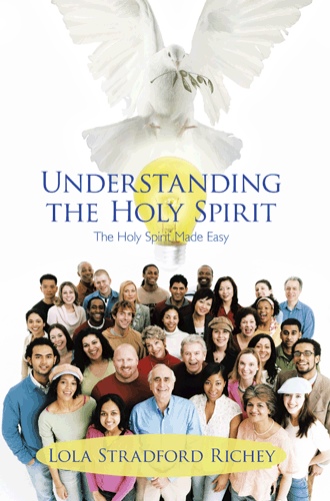
Understanding the Holy Spirit
The Holy Spirit Made Easy
by
Book Cover & Preview Text
The Holy Spirit is the power of God. He is the active force or the power of God at work in the world and has been active since the dawn of time (Genesis 1:1-3). The Bible establishes that the Holy Spirit is God in the scripture in Acts stating that lying to the Holy Spirit is lying to God (Acts 5:3-4), and through the linking of the Holy Spirit with God the Father and God the Son in benedictions (2 Corinthians 13:14; Revelation 1:4-6) and in the formula of baptism (Matthew 28:19). God eternally exists in three Persons—God the Father, God the Son (Jesus Christ), and God the Holy Spirit—yet He is one God (Mark 1:9-13).# God the Father is fully God, God the Son (Jesus Christ) is fully God, and the Holy Spirit is fully God. During the baptism of Jesus Christ by John the Baptist (Matthew 3:3-17; Mark 1:9-11; and Luke 3:21-22), all three Persons were visibly present together as one as revelation, and witnessed by the people. “The fullness of God” ¾ the Trinity ¾ was fully expressed in Jesus Christ (Colossians 2:9-10). The Holy Spirit is the only Person of the Trinity currently active on earth. Forty days after Jesus Christ’s resurrection, He returned to God the Father (Acts 1:1-10). Jesus Christ is now seated at God’s right hand in heaven (Mark 16:19; Colossians 3:1). God the Father and Jesus Christ (God the Son) continue their work on earth through the Holy Spirit. God the Father, God the Son (Jesus Christ), and God the Holy Spirit are equally and fully eternal—omnipresent, omnipotent, infinitely wise, infinitely holy, and infinitely loving. Thus, the Holy Spirit is the same in substance, power, and glory to God the Father and God the Son (Jesus Christ). These three Agents continuously work together to create, save, and protect humanity on earth (Romans 8; Ephesians 1:3-14; 2 Thessalonians 2:13-14; 1 Peter 1:2). This knowledge should cause us to humbly worship, love, honor, adore, and respect equally God the Father, God the Son, and God the Holy Spirit. The only difference between God the Father, the Son, and the Holy Spirit are the ways in which these three Agents act as They relate to each other and to the rest of creation. The work of the Holy Spirit is to reveal the active presence of God in the world, especially to the church. He is the member of the Trinity most often present to do God’s work in the world, especially in the New Covenant age. The Holy Spirit has the role to bring regeneration or new spiritual life (John 3:5-8), to sanctify (Romans 8:13; 15:16; 1 Peter 1:2), and to empower people for service (Acts 1:8; 1 Corinthians 12:7-11). In general, the work of the Holy Spirit seems to be to bring to completion the work that has been planned by God the Father and begun by God the Son. The Old Testament did not clarify that the Holy Spirit is a distinct and separate divine person from God the Father. The New Testament resolves this gap. Jesus Christ explained to His disciples that “it is to your advantage that I go away; for if I do not go away, the Helper [Counselor, Friend, Comforter] will not come to you; but if I go, I will send Him to you” (John 16:7). The “Helper” that Jesus Christ speaks of is the Holy Spirit. The Holy Spirit as bringer of mercy 29 the Holy Spirit who brings God’s mercy to His people. (Hebrews 10:29 (TLB). So, it has been established that the Holy Spirit is the Person of the Trinity through whom God acts, reveals His will, empowers people, and unveils God’s personal presence in the Old and New Testament. The Holy Spirit is absolutely holy in His own nature and the source of holiness in all creatures. His central ministry is witnessing and glorifying Jesus Christ by making known to people who Jesus Christ is (John 16:7-15) and who they are in Jesus Christ (Romans 8:15-17; Galatians 4:6). The Holy Spirit knows all things 10 The Spirit searches all things, even the deep things of God. 11 For who among men knows the thoughts of a man except the man’s spirit within him? In the same way no one knows the thoughts of God except the Spirit of God. 12 We have not received the spirit of the world but the Spirit who is from God, that we may understand what God has freely given us. 1 Corinthians 2:10-12 (NIV). The Holy Spirit knows all things, even the deep things of God (1 Corinthians 2:10-11). The Holy Spirit’s knowledge is equal to the knowledge of God. He knows the things of God as the spirit of a man knows the things of a man. The consciousness of God is the consciousness of the Holy Spirit. The Holy Spirit is our Guide to the end 14 For this God is our God for ever and ever; He will be our guide even to the end. Psalms 48:14 (NIV). Moreover, the Holy Spirit guides people in their daily lives and daily decisions as their constant Companion (Psalm 48:14; Acts 10:19-20; Acts 13:2; Acts 16:6). The Holy Spirit is like a roadmap as He leads and directs people to all truth (John 16:13). Those who believe in Jesus Christ submit and allow God’s Holy Spirit to lead their every daily step (Romans 8:14) because He brings wisdom, understanding, and knowledge (Isaiah 11:2). The Holy Spirit has been called many names since ancient times. Many of these names appear in the Holy Scriptures, and serve as diverse ways for believers in Jesus Christ to conceive of the Holy Spirit, and to reduce the abstraction in their perceptions of Him. The Holy Spirit has been called or interpreted as: Spirit of God Spirit of the Lord God’s Spirit Breath of Life Divine Spirit Spirit of Holiness Resurrection Power Friend Witness Interpreter Revealer Prosecutor Advocate Wind Motivator Empowering Spirit Guide Comforter Encourager Restrainer Saving Grace Sustainer Roar of Rushing Waters Inspirer Helper Living Water Comforter Intercessor Strengthener Standby Christ’s Holy Spirit Spirit of Grace Writer Companion Counselor Peace of God Teacher Sanctifier Paraclete, Paracletos, or Parakletos (Greek word) Wind God’s Breath Kinship of Spirit Pneuma (Greek word) Seven Spirits Spirit of Wisdom Spirit of Christ God’s Presence God’s Mercy Glory of God Spirit of Grace and Prayer Rushing or Mighty Waters Power of God God’s Power Glorious Power The Anointing Witness for Jesus Christ Spirit of Life Jesus Christ’s Spirit Spirit of Sonship Spirit of Jesus Power of Christ The Holy Ghost Mighty Power Spirit of Truth Truth-Giving Spirit My Spirit (when God speaks) His Spirit (when God is spoken of) Many respected theologians refer to the Holy Spirit as wind, or as God’s breath or power. Spirit is the translation of the Hebrew word ruach or ruakh and the Greek word pneuma, which means “wind,” “breath,” or “spirit” depending upon the context. In English, the word “inspiration” can mean to inhale and exhale breath, even though this isn’t the common meaning (it is used this way in, for example, medicine); “inspiration” can signify that someone is driven to higher levels of awareness or spirituality by the actual act of being filled with someone else’s breath. The wind is a good image for the Holy Spirit because the wind is sent from heaven, cannot be contained or controlled, and can be very powerful (John 3:8). God deployed this Holy Wind of the Spirit to: Exercise control over the disorganized waters at the beginning of creation (Genesis 1:2); Blow across the earth to recede the flood waters for Noah (Genesis 8:1; see also Psalm 33:6; Job 26:13); Bring locusts to Egypt (Exodus 10:13); Part the Red Sea to allow the ancient Israelites to pass through and eventually defeat Pharaoh and his army (Exodus 14:21); Carry quail over the camp of Israel (Exodus 16:13); Transports God on its wings to the outer limits of the earth (Psalm 104:3); Dry up the waters (Hosea 13:15); and Gather clouds to bring rain (1 Kings 18:45). A wide range of experiences are attributed to the Holy Spirit. All God's miracles and activities in the lives of people on earth are done by and through the Holy Spirit. However, aspects of the Holy Spirit’s works are s
Formats

Book Details
About the Book
What is the Holy Spirit?
Many differing names and interpretations surround this frequently misunderstood subject. Even Christians who go to church every Sunday cannot seem to agree on what the Holy Spirit means to them.
Through concise study of biblical passages that clearly teach about the Holy Spirit’s identity and purpose, Understanding the Holy Spirit throws light on misplaced notions of the Holy Spirit, exposing its true meaning as the power of God. You’ll walk away knowing what importance the Holy Spirit holds in your everyday life; why the Holy Spirit doesn’t pertain to just one Christian denomination; and how a clear understanding of the Holy Spirit can improve your spiritual health.
Discover how the Holy Spirit relates to God the Father and the Son and how the Holy Spirit reveals God’s presence. Whether you are a new Christian, a lifelong believer, or someone who simply wants to learn more about the qualities of the Holy Spirit, Understanding the Holy Spirit serves as a guide for biblical knowledge and spiritual wellness.
About the Author
What is the Holy Spirit?
Many differing names and interpretations surround this frequently misunderstood subject. Even Christians who go to church every Sunday cannot seem to agree on what the Holy Spirit means to them.
Through concise study of biblical passages that clearly teach about the Holy Spirit’s identity and purpose, Understanding the Holy Spirit throws light on misplaced notions of the Holy Spirit, exposing its true meaning as the power of God. You’ll walk away knowing what importance the Holy Spirit holds in your everyday life; why the Holy Spirit doesn’t pertain to just one Christian denomination; and how a clear understanding of the Holy Spirit can improve your spiritual health.
Discover how the Holy Spirit relates to God the Father and the Son and how the Holy Spirit reveals God’s presence. Whether you are a new Christian, a lifelong believer, or someone who simply wants to learn more about the qualities of the Holy Spirit, Understanding the Holy Spirit serves as a guide for biblical knowledge and spiritual wellness.
Lola Stradford Richey is a certified public accountant with degrees in business administration, law, and taxation. She has studied at Erskine Theological Seminary in Due West, South Carolina, and served in the Gulf War. A lifelong resident of South Carolina, she is married and has two sons.