
MARUMINA TRABAHO
A History of Labor in Alaskaýs Salmon Canning Industry
by
Book Cover & Preview Text
Formats

Book Details
About the Book
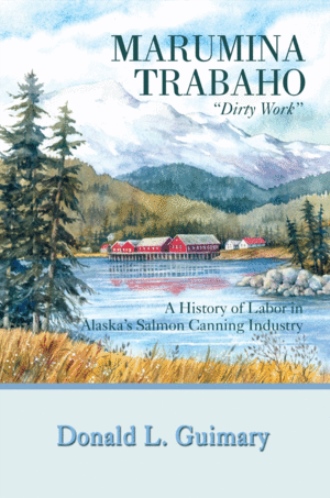
Before discovery of gold, and after, canned salmon was the economic backbone of The Alaska Territory until after World War II. Although the largest contributor to Alaska's economy during the first half of the 20th Century, historically little has been written about workers and the conditions they endured producing canned salmon.
Canning salmon in Alaska was dirty work (Marumina Trabaho) performed mostly by Filipino immigrants from about 1915 through the 1960s. But dirty work was also a process in which cannery workers were hired by unscrupulous contractors, encouraged by greedy owner operators.
Cannery workers suffered exploitation of ethnic groups, hazardous shameful transportation, endured miserable living conditions in primitive, segregated housing, were fed cheapest food, and were cheated on wages. Early labor unionization efforts created additional problems and provided little relief until statehood, legislation, and court rulings finally forced changes.
Marumina Trabaho is the author's extensive report and the history of labor involved in the production of Alaska's canned salmon, beginning with his teen age personal experiences.
About the Author
Don Guimary, son of a Visayan father and Swedish mother, first learned Alaskan salmon cannery work in 1946 at the age of fourteen at Pilar Bay, in southeastern Alaska. He was to return to summer cannery work another six times. Later he wondered about the unfair conditions the workers endured and how these came about.
After U.S. Army service, with assistance from the GI Bill, Don worked his way to a Ph.D. on a sawmill green chain, as a school bus driver, newspaper (police beat) reporter, choker setter, college public information officer, Alaskan fishing boat deck hand, Forest Service worker, and newspaper copy editor. After a distinguished teaching career, he retired as Professor, Emeritus in Journalism from San Jose State College.